
Blueberries are a nutrient-dense fruit that many people include in a balanced diet. If you or someone you love is navigating breast cancer, you may be wondering whether food choices like blueberries can play a supportive role. Here’s an overview of what current research suggests — and why this page is educational, not medical advice.
Rich in Antioxidants
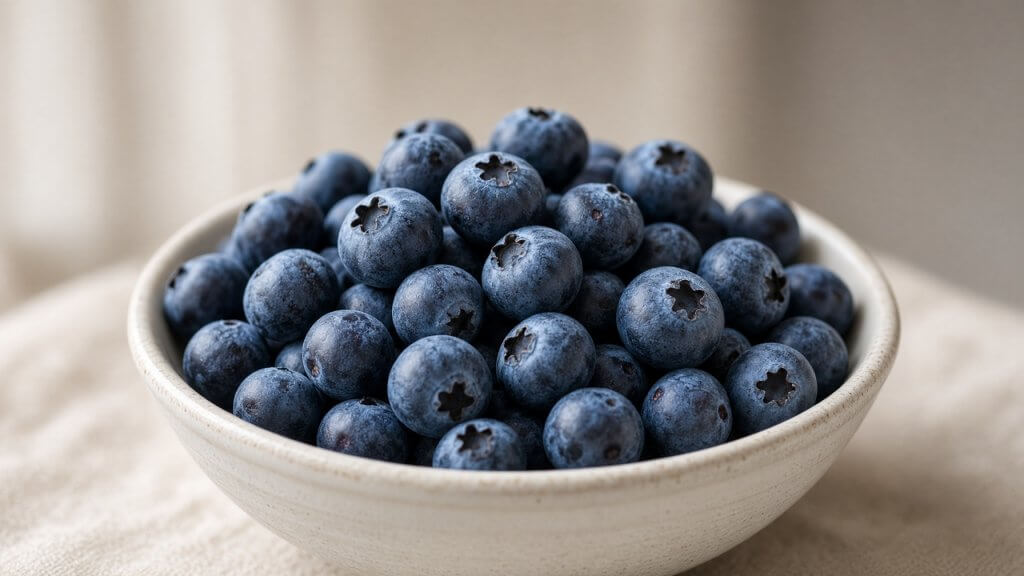
Blueberries get their deep blue color from anthocyanins, a type of antioxidant compound. Antioxidants help neutralize free radicals — unstable molecules linked to oxidative stress, which some research associates with cell damage over time. Blueberries are often cited as one of the highest-antioxidant fruits by weight. (Source: National Institutes of Health / PubMed Central)
Anti-Inflammatory Compounds
Chronic inflammation has been studied as a factor that may influence cancer risk and progression. (Source: National Cancer Institute) Some studies suggest that polyphenols in blueberries may help support the body’s anti-inflammatory response, though more research is needed to understand their full impact specifically for people with breast cancer. (Source: Harvard Health Publishing)
Fiber, Weight Management & Metabolic Health
Maintaining a healthy weight is one of the modifiable factors major health organizations associate with breast cancer risk and recurrence. (Source: American Cancer Society) Blueberries are low in calories and high in fiber, which can help support satiety and steady blood sugar levels as part of an overall balanced diet. (Source: USDA)
A Nutrient-Dense Snack During Treatment
Cancer treatments like chemotherapy can affect appetite, taste, and energy levels. Soft, naturally sweet foods like blueberries are sometimes easier to tolerate and can be a gentle way to add vitamins, hydration, and fiber to the diet. Always check with your care team about any specific dietary restrictions during treatment. (Source: National Cancer Institute) See our Nutrition During Treatment page for more.
Simple Ways to Add More Blueberries to Your Diet
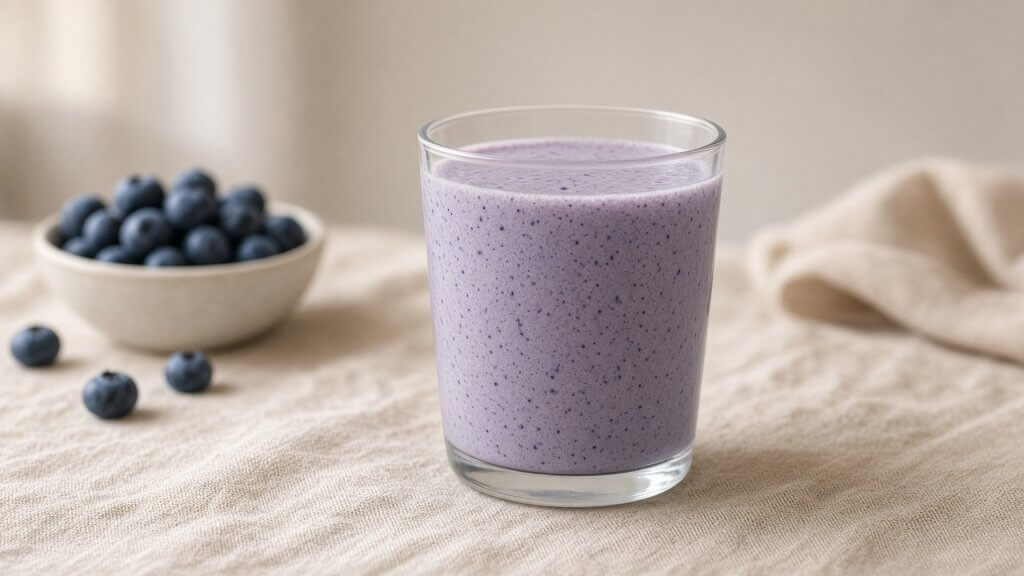
- Toss a handful into oatmeal, yogurt, or smoothies
- Freeze them for a refreshing, easy-to-eat snack
- Add them to salads for natural sweetness
- Blend into a simple homemade sauce for pancakes or a light dessert
Sources & Further Reading
This page draws on guidance and research from the National Cancer Institute, American Cancer Society, Harvard Health Publishing, USDA, and peer-reviewed research indexed on PubMed Central. See our Sources & Further Reading page for the complete list with descriptions.
A Note on This Information
This page shares general nutrition information and is not a substitute for professional medical advice, diagnosis, or treatment. Everyone’s health needs are different — always talk with your oncologist, doctor, or a registered dietitian before making changes to your diet during cancer treatment or recovery.